
Vancouver BC
The ALL Pilates Insight: An Educational Guide to the Pilates Method
The Origins of Resilience: What is Pilates?
Pilates was created by Joseph Pilates in the early 20th century as a method for rehabilitation. During WWI, he attached springs to hospital beds to help patients keep their strength, which led to the development of today’s Pilates equipment.
Pilates is a movement system focused on the mind and body working together. Its six principles are Breath, Concentration, Center, Control, Precision, and Flow. Pilates targets the deep stabilizing muscles of the core, supports spinal alignment, and improves nervous system efficiency. The goal is a body that moves well, feels balanced, and handles daily demands.
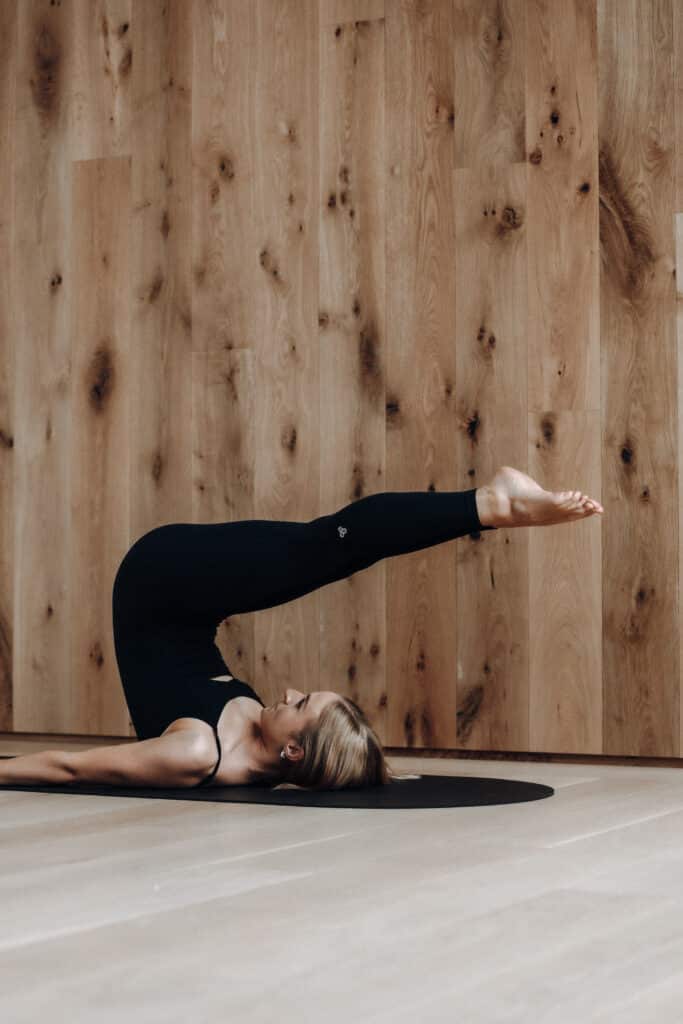
Mat Pilates: The Foundational Blueprint
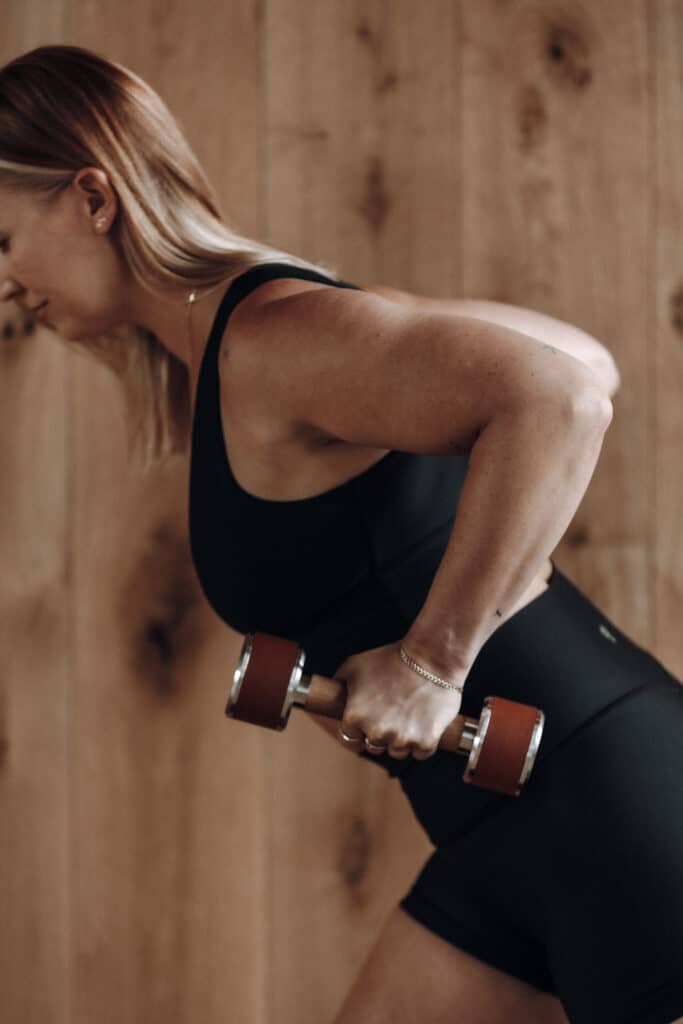
Mat Pilates is the base of the method. The exercises are challenging, requiring you to use your body as resistance. Without springs, you rely on deep core strength for control and balance. This is where you learn the core principles of the ALL Method, including how to use breath to move and how to support the spine.
Mat work builds core endurance and mobility. You develop feedback from your body and learn to engage muscles with purpose. The slow, focused pace builds strength for all other Pilates disciplines. Mastering mat work lays the foundation for your practice.
BUILD YOUR BASE
Reformer Pilates: Resistance and Refined Alignment
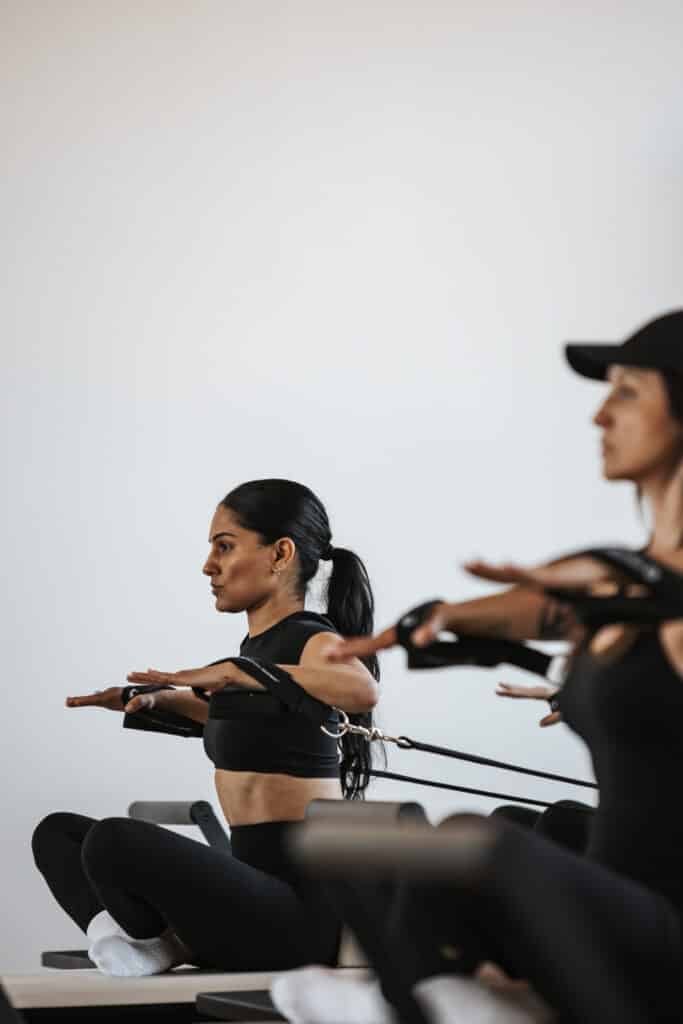
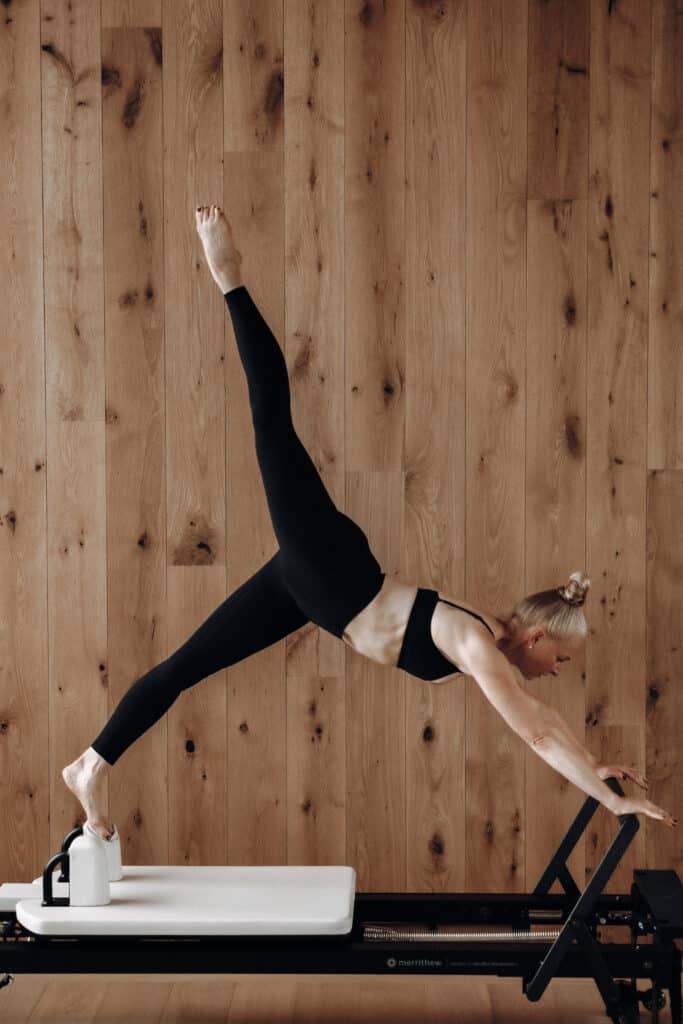
The Reformer uses a sliding carriage, springs, ropes, and pulleys to add resistance throughout your workout. The design supports natural muscle movement and provides feedback to correct alignment and balance in real time.
Reformer Pilates is versatile, offering heavy resistance for strength or lighter resistance for control and balance. It’s effective for progression and recovery. The equipment guides you into proper alignment and challenges the body for practical results.
Feel the refinement
Stability Chair: The Vertical Challenge
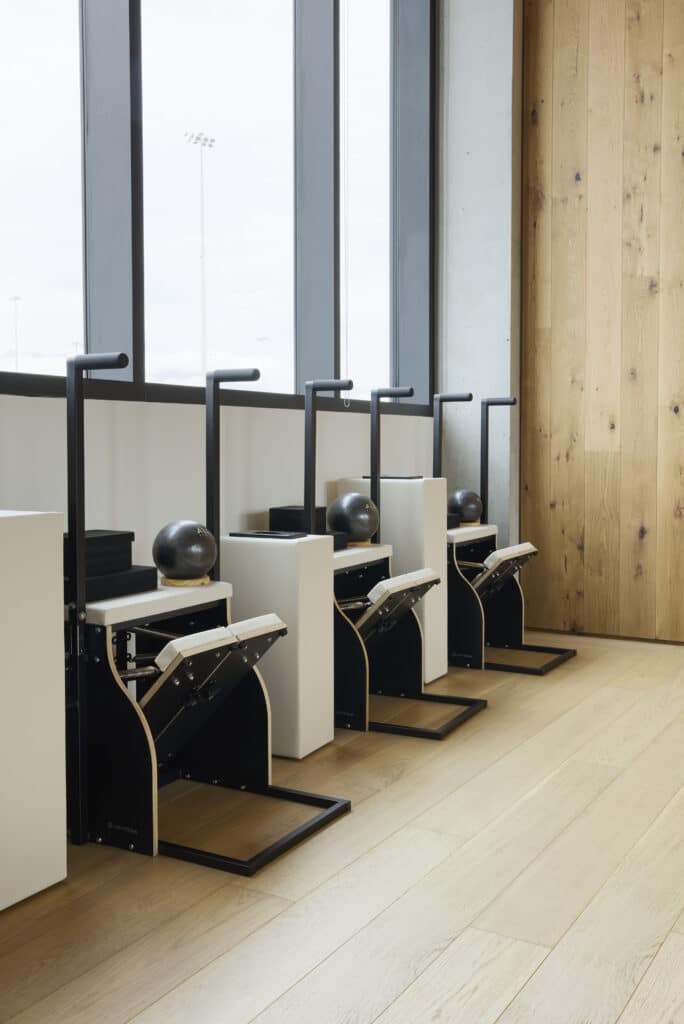
The Stability Chair introduces Pilates in a vertical position. It uses a split-pedal system, challenging balance whether seated, standing, or lying down. The smaller surface requires your core and stabilizing muscles to work harder.
The Chair targets the lower body and core. It helps develop resilience and better movement by demanding focus and control. This type of training builds strength needed for daily activities.
Master the vertical plane
Jump Pilates: The Cardio-Infused Powerhouse
Jump Pilates uses a padded board on the Reformer to provide plyometric training with less impact. You can jump while lying down, supporting the spine while reducing joint stress. The class supports bone density, cardio endurance, and core strength.
This discipline trains your power, speed, and stability. Each landing requires your core to respond and support the body. Jump Pilates combines cardio work with core control.
Boost your energy
TESTIMONIALS
“I’ve tried a lot of classes all over the city. All Studios, though? A whole different level. The space is stunning. Minimal, gorgeous, spa-like energy. The classes strike that perfect balance between challenging and restorative, you leave feeling stronger, not wrecked.”
-K
“This is by far one of the top 3 Pilates studios in Vancouver. I felt like I learned so much about my own body and bettering my form on the reformer. The class size is a bit more intimate and that gave the instructor time to adjust each body in the room.”
-Ece Unlu